
Monitoring is often treated as a useful extra. In practice, it is one of the most valuable parts of a commercial solar system.
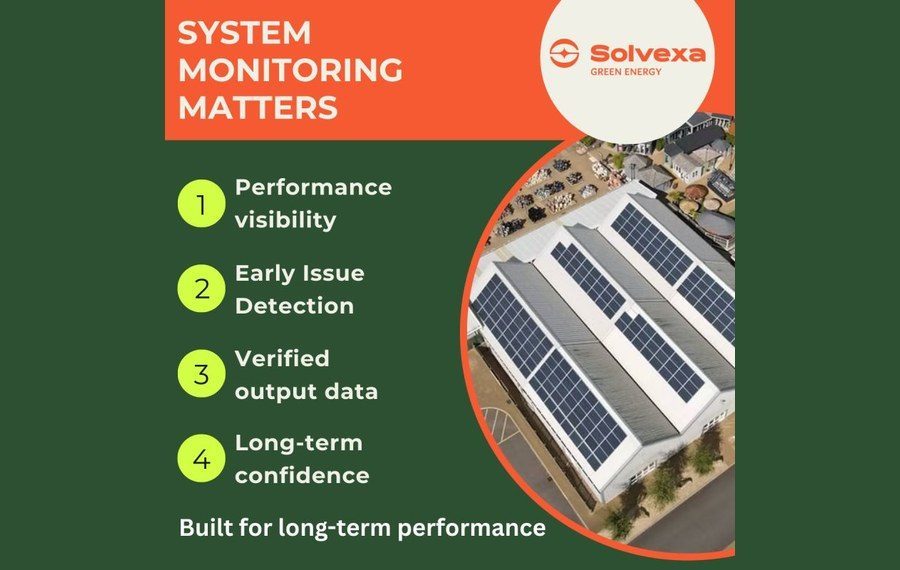
More than a total
Good monitoring shows more than total output. It shows how different parts of the system behave, how inverters respond under load, and whether performance is tracking as expected over time.
With panel-level optimisers you can go further again and see individual panels rather than strings. That sounds like detail for its own sake until the first time a single shaded or faulty module is dragging a string down and you can point straight at it.
Underperformance drifts
It rarely announces itself. It tends to appear gradually, a few percent at a time. Without visibility, those losses can become normal before anyone notices, and the system quietly settles into a new baseline that nobody ever agreed to.
Solar without visibility is guesswork. Solar with monitoring becomes manageable infrastructure.
Why it matters to the asset owner
Monitoring allows issues to be identified early and corrected before they affect long-term outcomes. It also gives asset owners confidence that decisions are based on measured behaviour rather than assumptions, which matters as much for reporting as it does for maintenance.
For systems expected to run for decades, monitoring is simply part of looking after the asset.
Wondering what your own roof could support? We will model it against your half-hourly data and tell you straight.
Get a free assessment